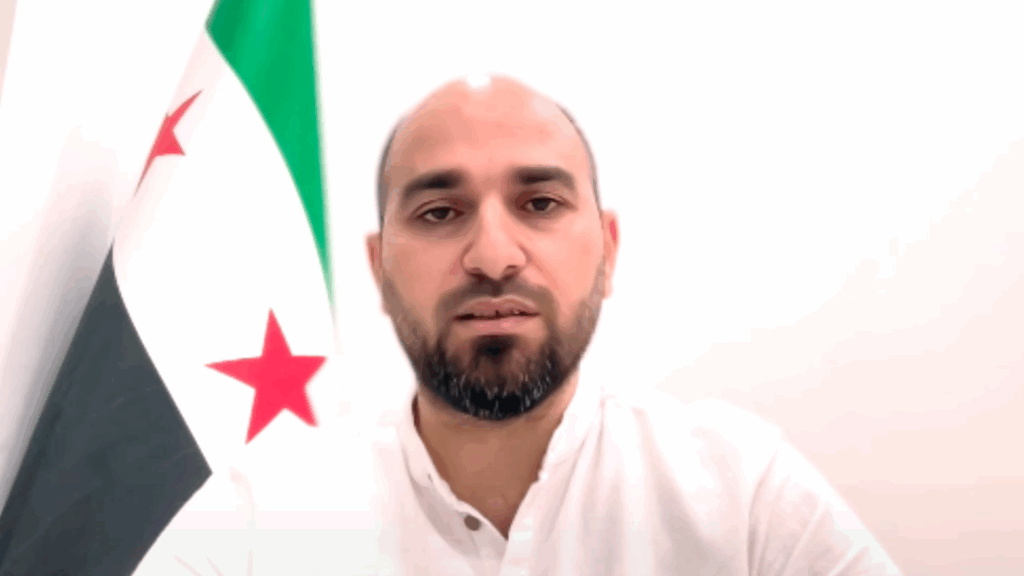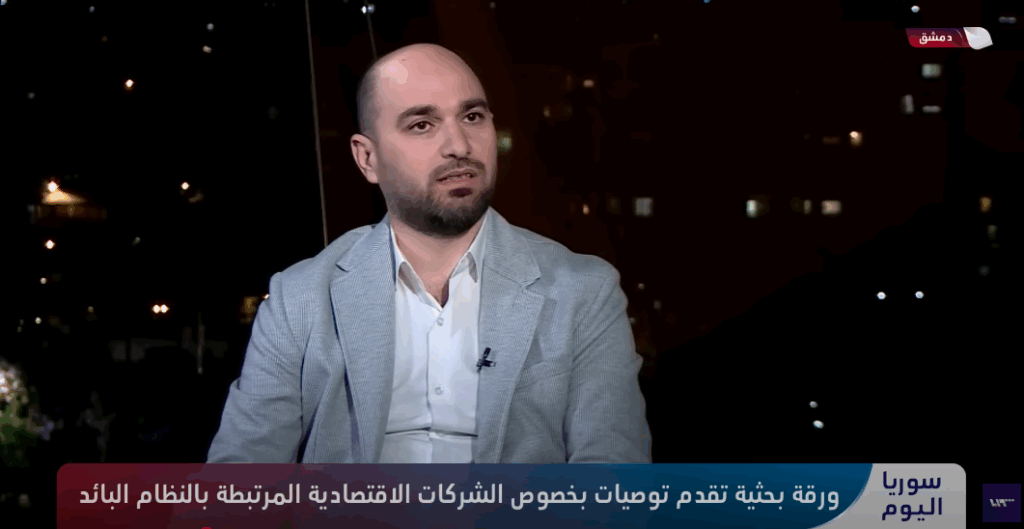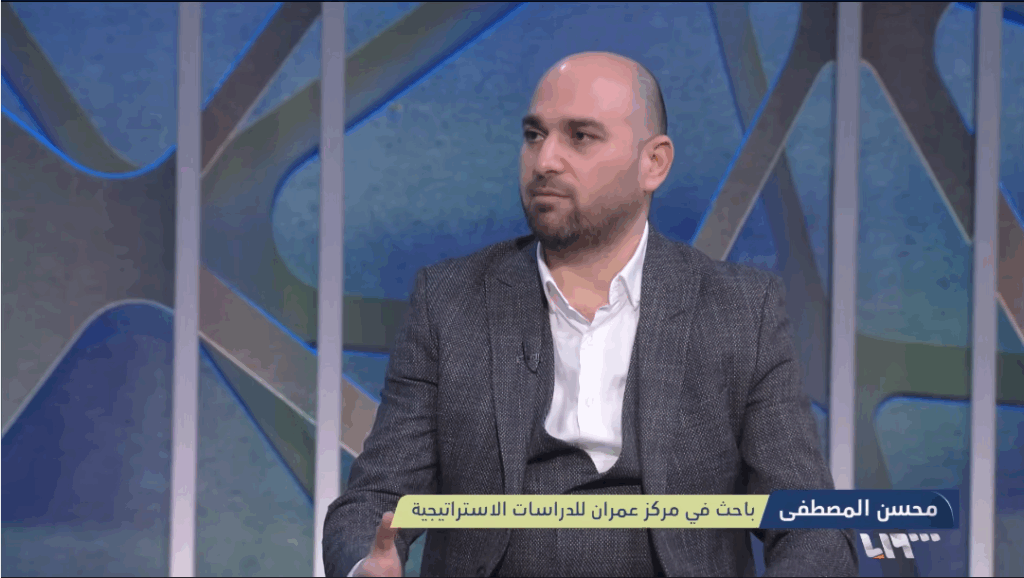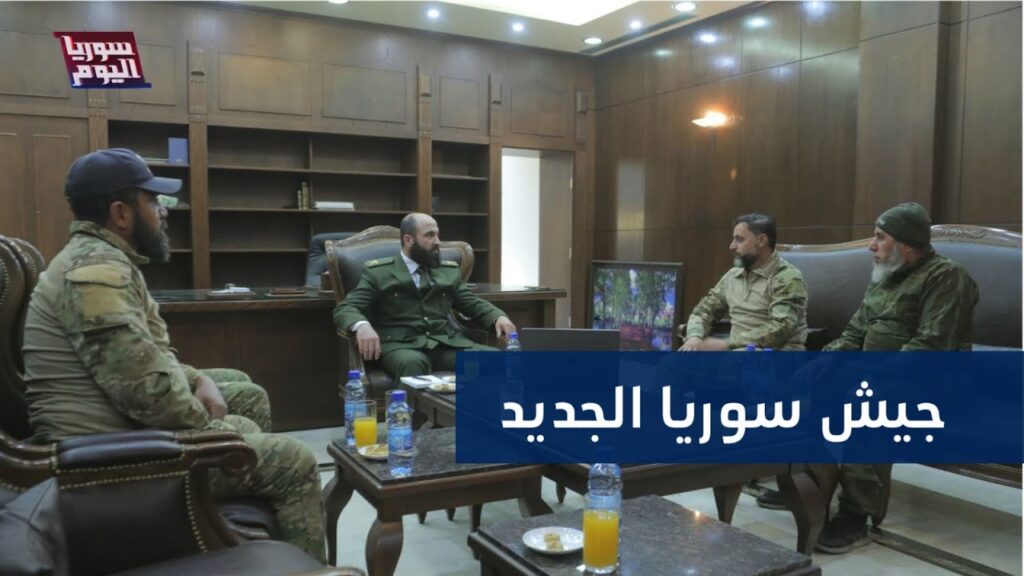


محسن المصطفى | Muhsen ALMustafa

A Researcher at Omran Center for Strategic Studies

Formerly a research assistant at the Carnegie Middle East Center
Formerly a non-resident fellow at the Tahrir Institute for Middle East Policy

My Statements

Latest Statements

  • Icon from Carbon by IBM – undefined

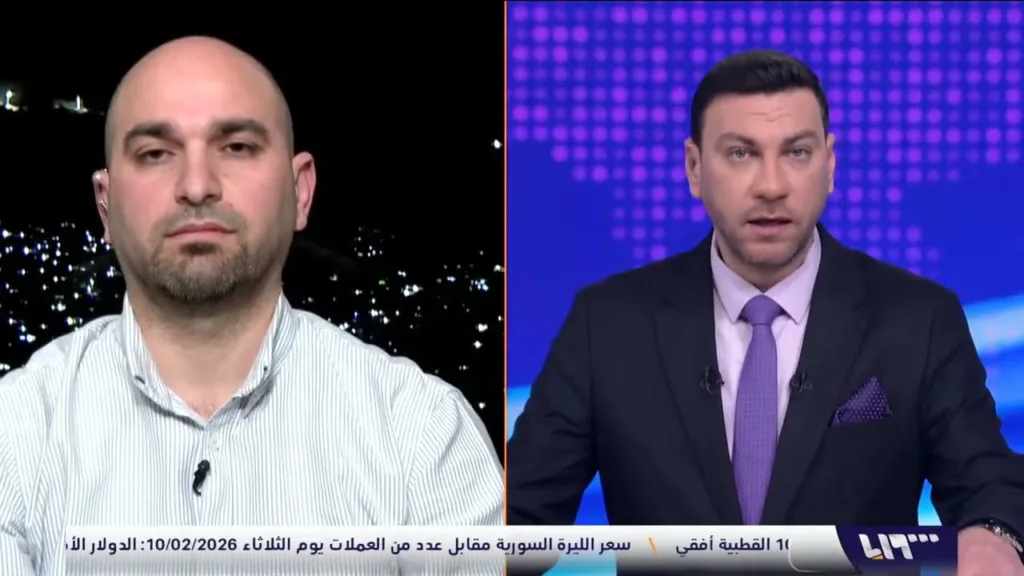
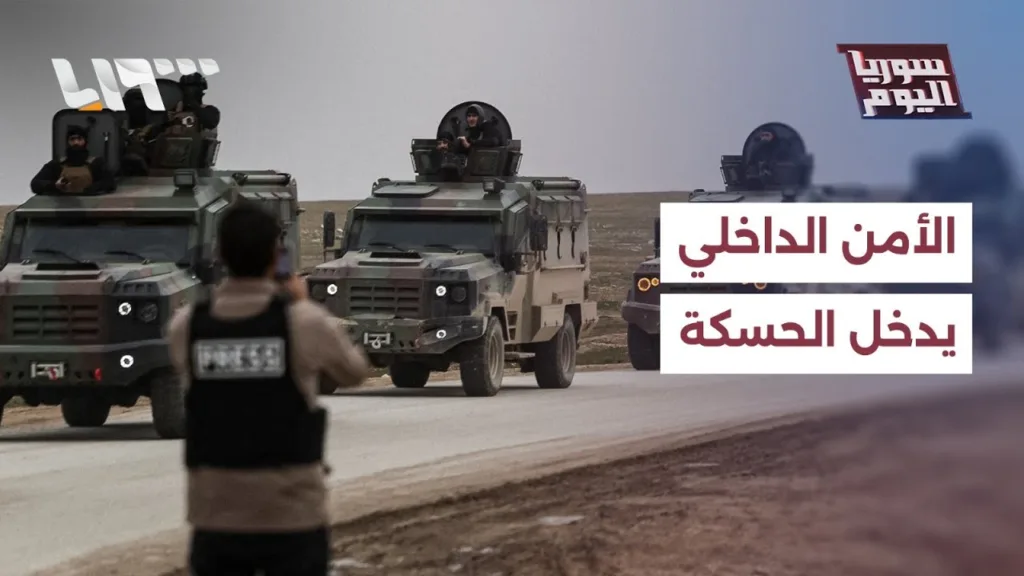
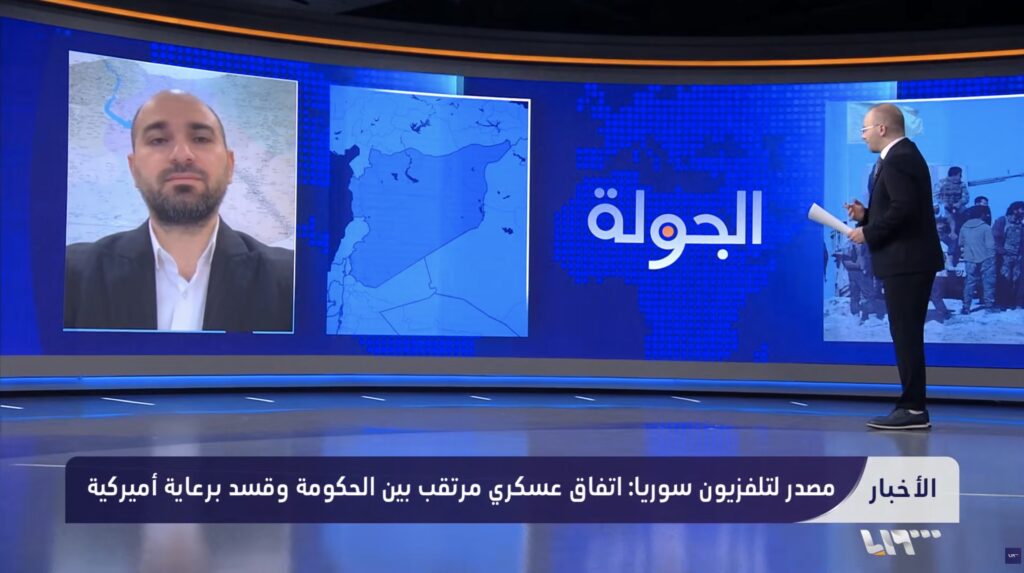
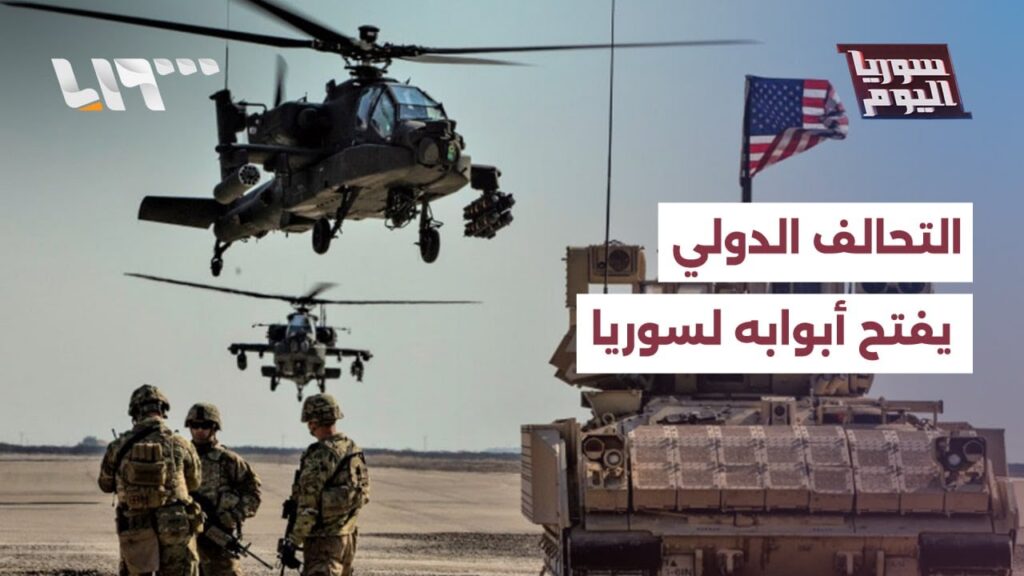
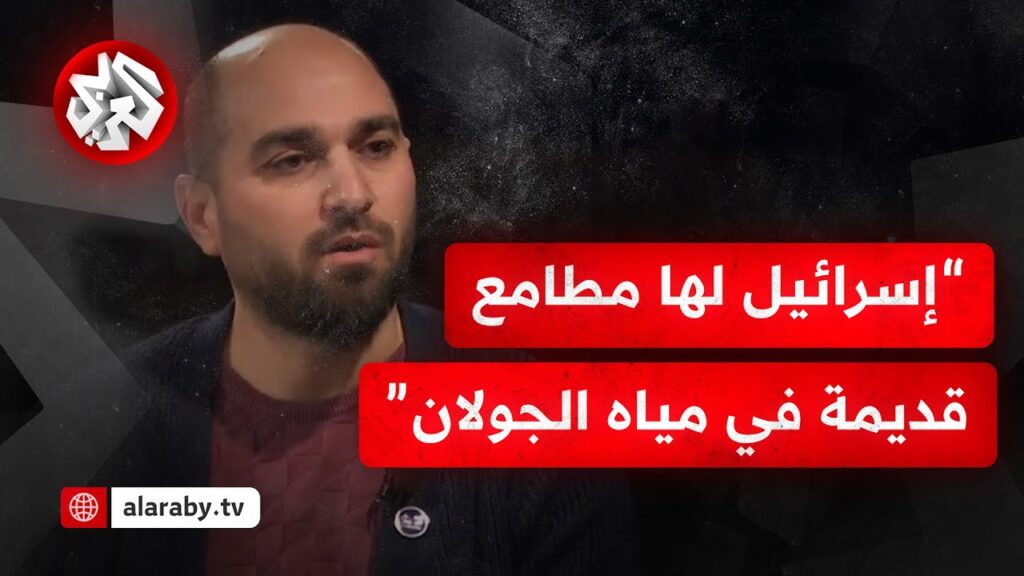
    Speaking to Asharq News, Muhsen AlMustafa explains that eased licensing restrictions allow applications to be considered while Washington retains approval authority. He stresses turning unified command into an institution where loyalty to the state supersedes factional affiliation, with doctrine guiding missions, training and equipment, while noting improvements in the army’s structure. He advocates gradual rebuilding with sustainable funding for salaries, training and maintenance. He warns that reliance on a single supporter could create influence, but considers this unlikely given the leadership’s commitment to independent decision-making.

    more +
    نشر في: Asharq News
    Image2026-10-13
  • Icon from Carbon by IBM – undefined

    English

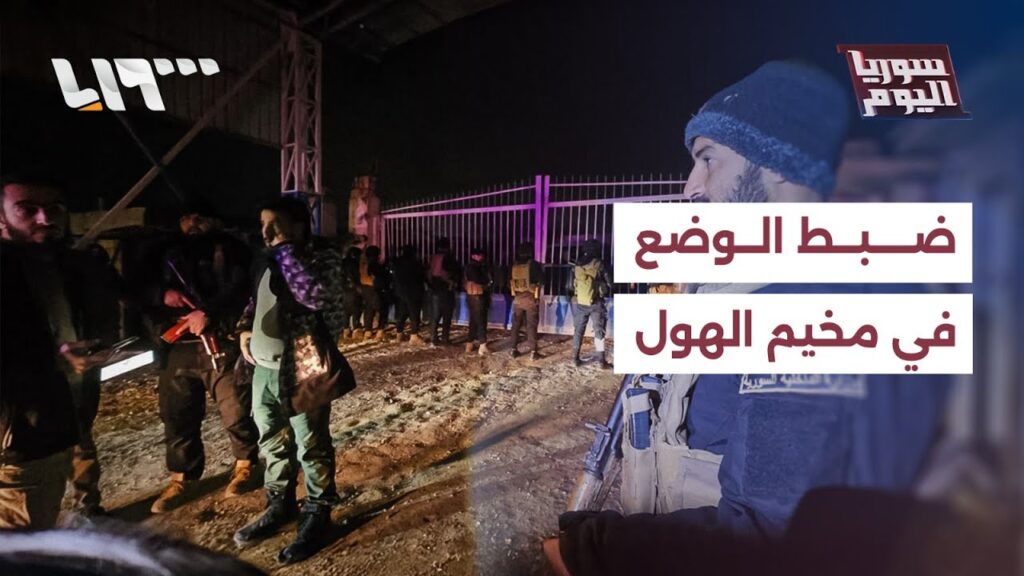
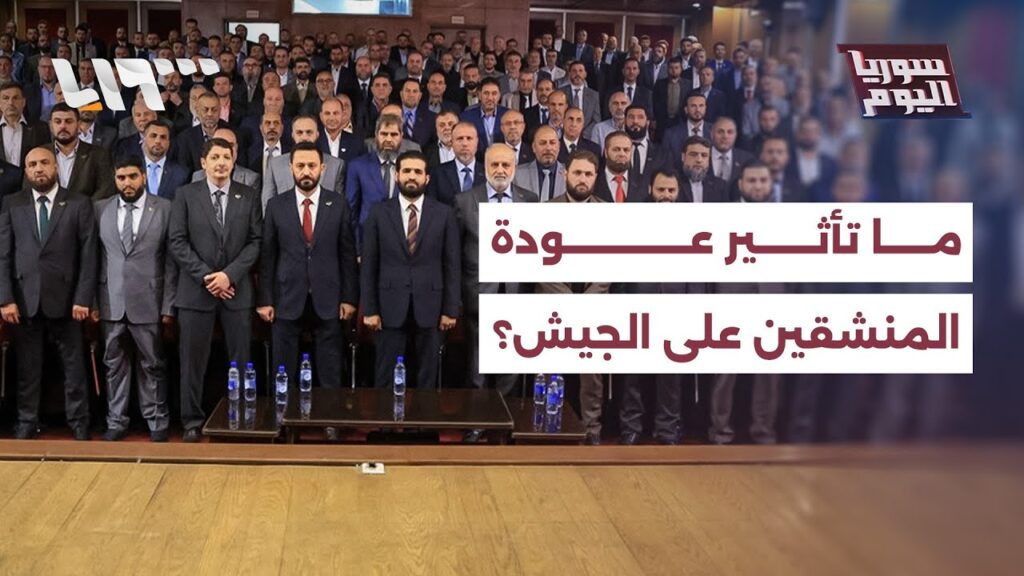
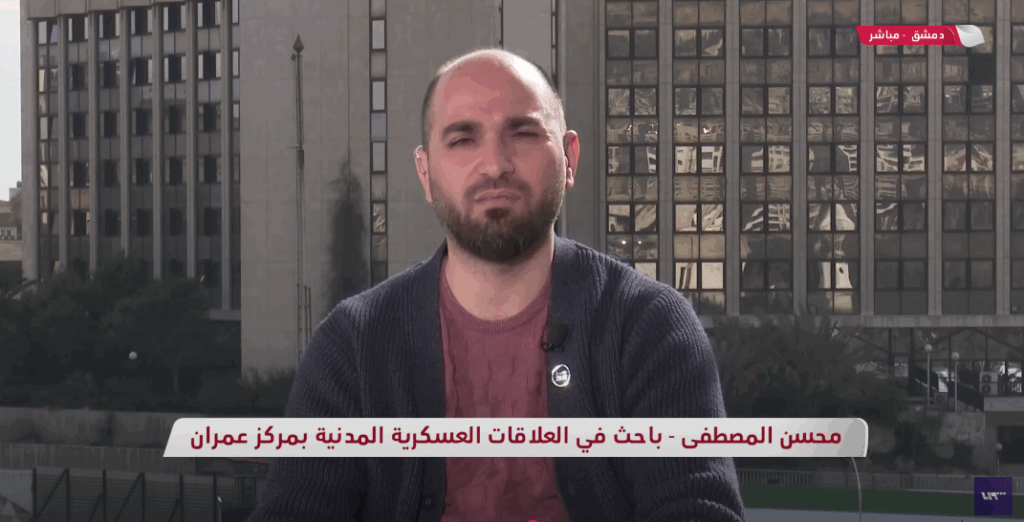
    Seeing Muhsen AlMustafa’s statement to the Spanish newspaper elsalto, he believes that the rapid success achieved by the Syrian army in its offensive on Self-Administration areas is due to a mix of military, social, and institutional factors, most notably the development of military strategy and the army’s receiving support from some local tribes. He emphasizes that the social factor was decisive, as Arab tribes played a fundamental role in paving the way for the army’s advance, especially with local residents joining its ranks, which strengthened the legitimacy of the military operation and coordination with the population. On the political level, AlMustafa expects Syria to move toward a centralized system, while adopting broad administrative decentralization with extensive powers at the local level, without granting any region a special autonomous status.

    Spanish

    Según la declaración de Muhsen AlMustafa al periódico español El Salto, considera que el rápido éxito logrado por el ejército sirio en su ofensiva contra las zonas de la Administración Autónoma se debe a una combinación de factores militares, sociales e institucionales, entre los que destacan la evolución de la estrategia militar y el apoyo recibido por el ejército de algunas tribus locales. Subraya que el factor social fue decisivo, ya que las tribus árabes desempeñaron un papel fundamental al allanar el camino para el avance del ejército, especialmente con la incorporación de habitantes de la región a sus filas, lo que reforzó la legitimidad de la operación militar y la coordinación con la población. En el plano político, AlMustafa prevé que Siria se encamine hacia un sistema centralizado, adoptando al mismo tiempo una amplia descentralización administrativa con extensas competencias a nivel local, sin otorgar a ninguna región un estatus autónomo especial.

    more +
    نشر في: EL SALTO
    Image2026-01-21
  • Icon from Carbon by IBM – undefined

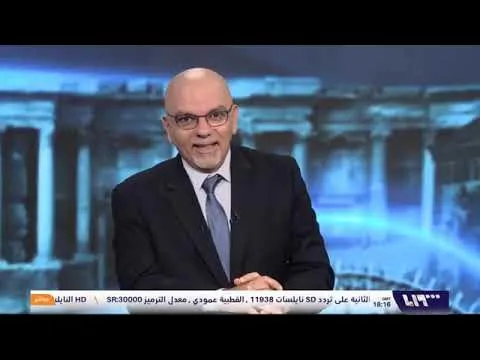
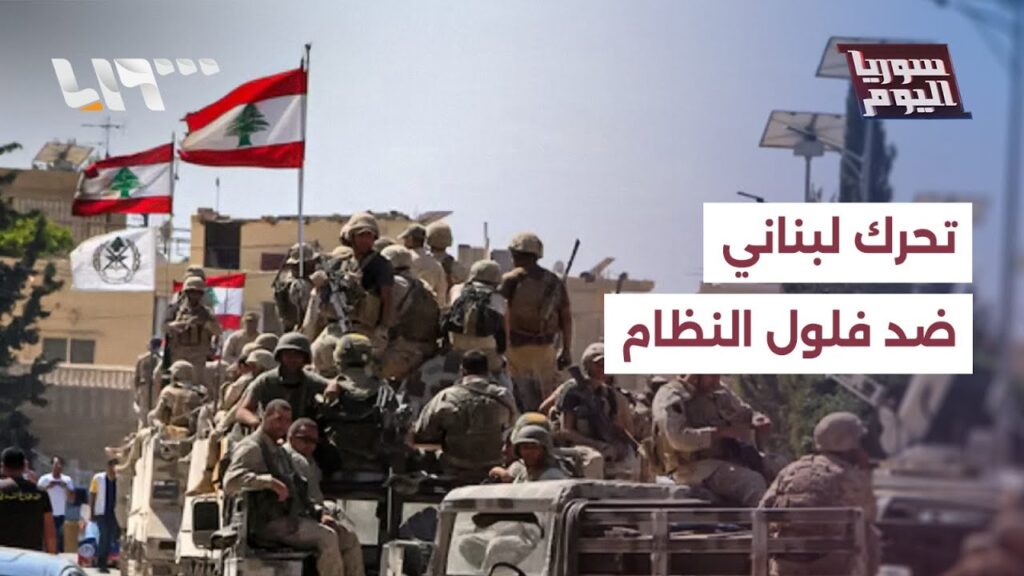
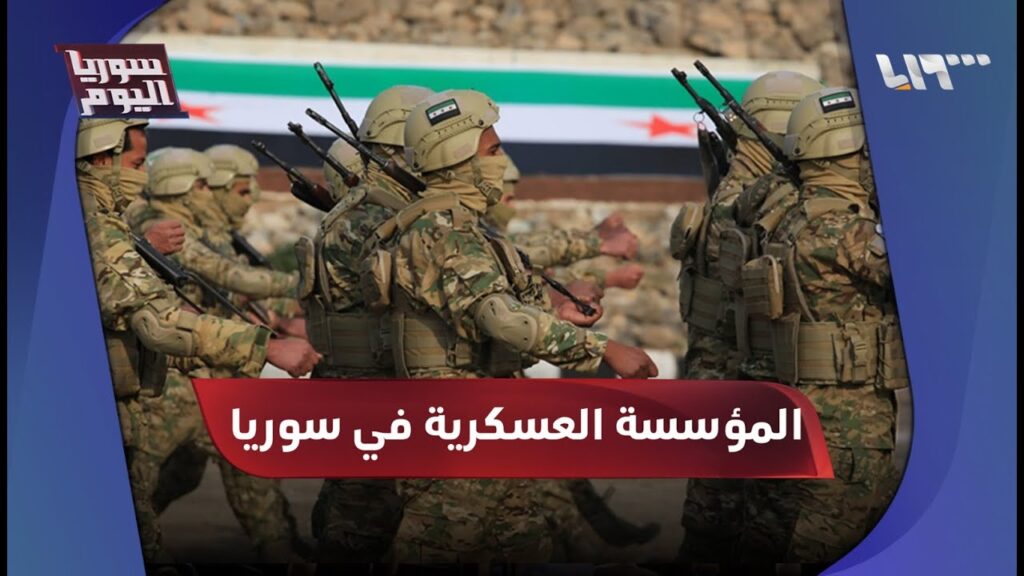
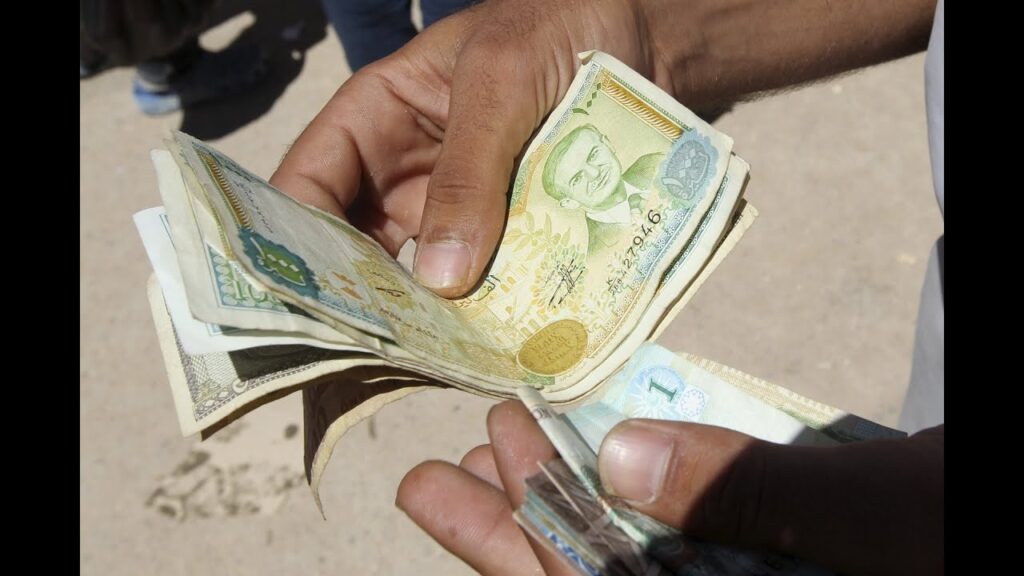
    The researcher focused on the direct repercussions of weapon proliferation on social structure and local relations. Muhsen AlMustafa, a specialist in security and military affairs and a researcher assistant at the Omran Center for Studies, presented a broader approach that addressed the security, economic, and legislative dimensions of this phenomenon. He pointed out that the conflict in Syria imposed the need for armament at different levels and types, a need that became more pressing as the pace of confrontations escalated. With the later disintegration of the security control system, individual and medium weapons became a central element in local dynamics, not only as tools of combat but also as means of domination and control.

    At the societal level, AlMustafa stated that the absence of the state, or the absence or suspension of regulating legislation, contributed to transforming weapons into an active party in the conflict and expanding the margin of individual armament, whether for self-protection or for settling locally rooted disputes. This random spread of weapons led to turning social disagreements into armed clashes, especially in rural and tribal areas.


    more +
    نشر في: Syria TV
    Image2025-09-06

Appearances

Search the site

Enter a term or choose filters, then select Search. Includes public text and parliament data; PDF and external-embed text is not indexed. Dates use publication dates or the date shown in the register.